Chasing the Great Migration: A Seasonal Guide to Kenya and Tanzania
Every year, more than 1.5 million wildebeest, joined by hundreds of thousands of zebras and gazelles, begin a vast circular journey across East Africa....
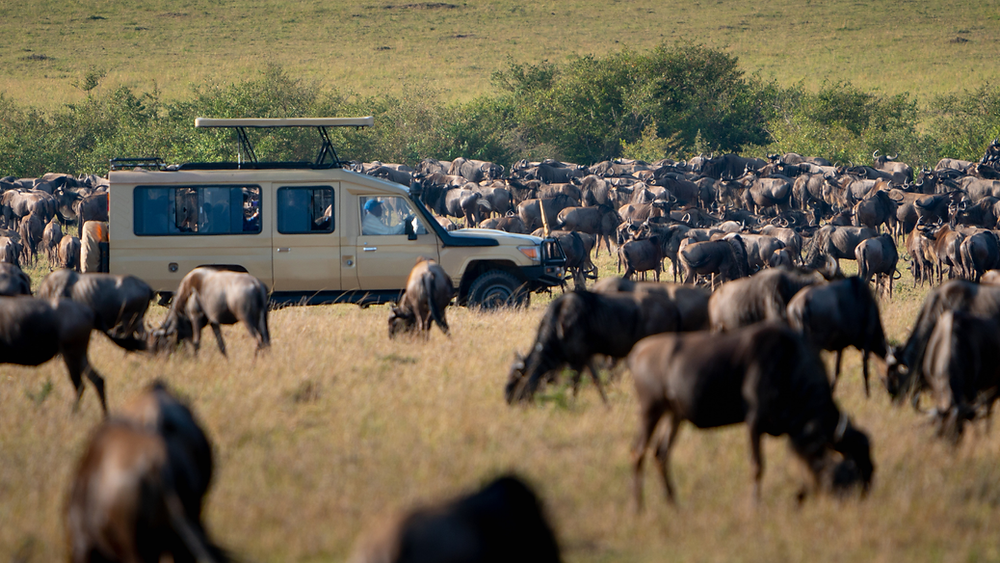
Every year, more than 1.5 million wildebeest, joined by hundreds of thousands of zebras and gazelles, begin a vast circular journey across East Africa. They move not by borders or maps, but by rainfall, instinct, and survival.
This journey, known as the Great Migration, spans northern Tanzania’s Serengeti ecosystem and Kenya’s Maasai Mara. Often described as the greatest wildlife spectacle on Earth, it is not defined by a single moment, but by a continuous cycle that changes character throughout the year.
Understanding where to be, when to go, and when to book makes all the difference.
What exactly is the Great Migration?
The Great Migration is driven by rainfall patterns that dictate where fresh grazing emerges. As the land changes, the herds follow.
Predators move with them. Lions, cheetahs, leopards, hyenas, and crocodiles are part of the same ecosystem, making every stage of the migration compelling. Some days are calm and expansive. Others are intense and dramatic.
This is not a one day event. It is a year long story.
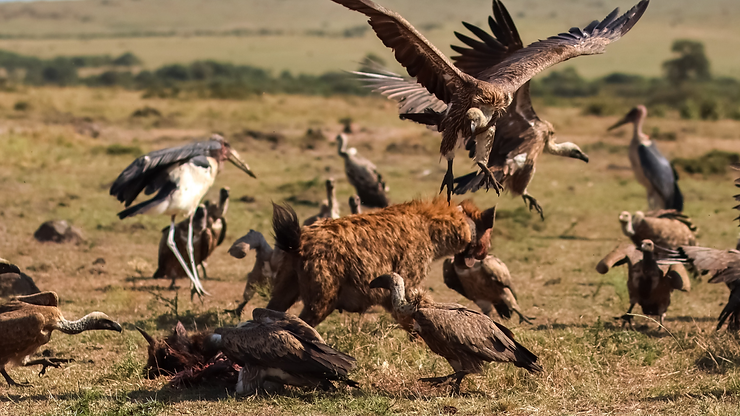
Hyena and vultures fighting for food in Maasai Mara
Understanding the seasons
Where to be, when to go, and when to book
January to March
Southern Serengeti and Ndutu – Calving season
This period marks the calving season, when hundreds of thousands of wildebeest give birth across the short grass plains of Ndutu and the southern Serengeti.
It is one of the most intimate and emotionally powerful phases of the migration.
Why this season stands out
Massive concentration of newborn animals
Intense predator activity
Open landscapes with excellent visibility
When to book
Despite being less famous than river crossings, calving season is extremely popular with photographers and wildlife enthusiasts. Well located camps in Ndutu are limited. Booking 6 to 9 months in advance is strongly recommended.
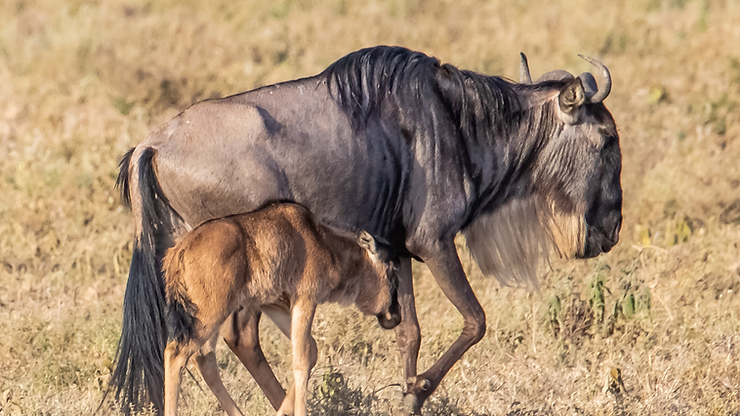
Wildebeest calving season
April to May
Central and Western Serengeti – The green season
The long rains arrive, and the herds begin drifting north and west. The landscape transforms into lush greens, skies become dramatic, and visitor numbers drop significantly.
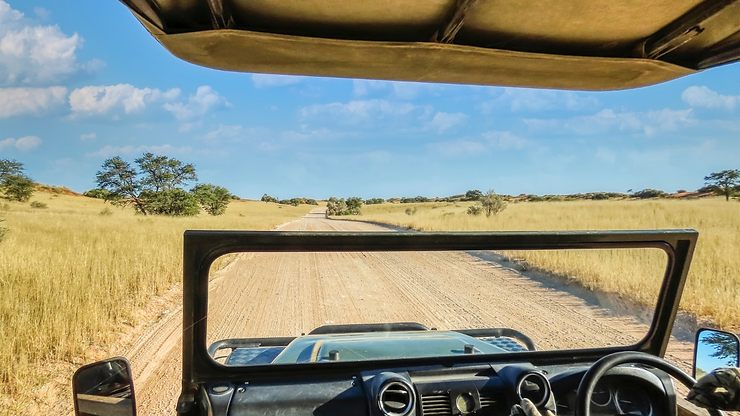
Serengeti April game drive
Why this season appeals to experienced travellers
Fewer safari vehicles
Beautiful scenery and softer light
More relaxed pace and better value
When to book
Availability is generally better during this period, though some camps close due to weather. Booking 3 to 6 months ahead is usually sufficient, with flexibility being key.
June to July
Western Serengeti and Grumeti River – First crossings
As the dry season begins, the herds gather near the Grumeti River. Crossings here are unpredictable, sudden, and often spectacular, with large crocodiles waiting below.
Why this season is special
Early river crossings
Excellent predator sightings
Improving game visibility as vegetation thins
When to book
This is where demand begins to rise. Camps near the Grumeti River are limited in number and location matters greatly. Booking 6 to 9 months ahead is advisable for the best options.
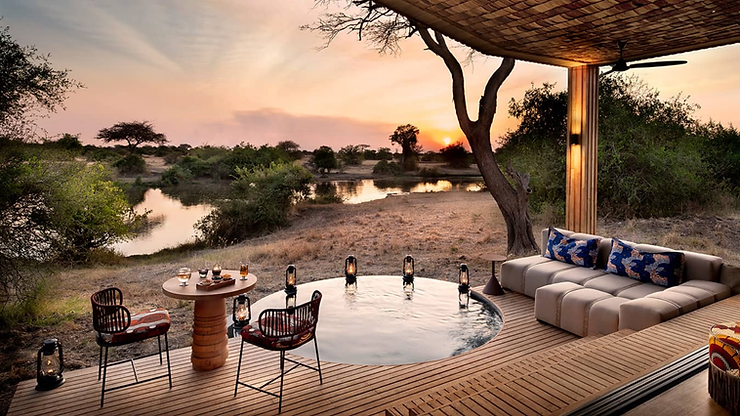
Grumeti Serengeti River Lodge
Image source: www.serengeti.com
August to October
Maasai Mara and Northern Serengeti – Peak migration
This is the most iconic phase of the Great Migration. The herds reach the Mara River, crossing between Tanzania and Kenya in dramatic, often chaotic scenes that define classic safari imagery.
Why travellers aim for this period
Famous river crossings
High predator density
Classic documentary style encounters
When to book
This is peak season, and space is extremely limited. The best camps near the river are often fully booked 9 to 12 months in advance. For travellers planning during school holidays or peak summer months, early commitment is essential.
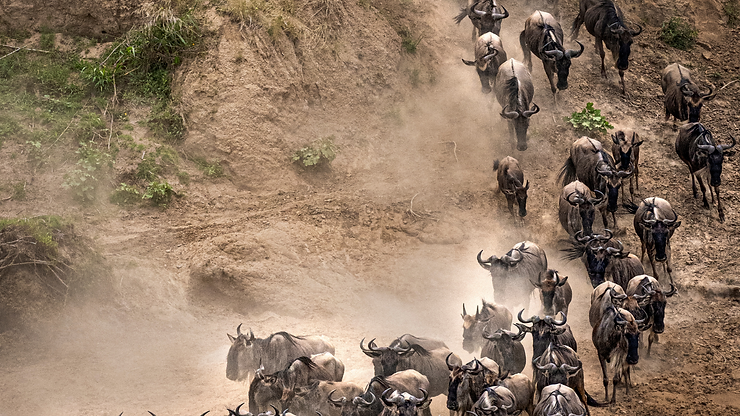
Mara River crossing
November to December
Eastern and Central Serengeti – The return south
Short rains signal the herds to move back into Tanzania, spreading across the eastern and central Serengeti as they prepare for the next calving cycle.
Why this season is underrated
Fewer crowds after peak season
Fresh landscapes and active wildlife
A sense of calm after the intensity of river crossings
When to book
This period offers more flexibility. Booking 3 to 6 months ahead is generally sufficient, making it ideal for travellers with less fixed schedules.
Kenya or Tanzania? Or both?
The Great Migration does not belong to one country. Kenya’s Maasai Mara offers dramatic action in a compact area. Tanzania’s Serengeti offers scale, diversity, and multiple migration phases.
For travellers with time, combining both provides the most complete and rewarding experience.
Hot-air Balloon Safari in the Maasai Mara
Photo source: https://www.masaimara.com/masai-mara-balloon-safaris.php
Different ways to experience Kenya with Sedunia Travel
Kenya can be experienced in several ways, depending on travel style and expectations.
Private tailor made safaris
Private vehicles, personal guides, and flexible pacing for couples, families, and small groups.
Small group departures
Structured itineraries with fixed dates, offering strong value while maintaining quality.
Luxury and honeymoon safaris
Exclusive camps, hot-air balloon ride, private dining experiences, scenic flights, and seamless logistics.
Combined Kenya and Tanzania journeys
Fly in safaris covering Maasai Mara and Serengeti for a full migration narrative.
Each journey is designed around seasonality and wildlife movement, not a fixed template.
Final thoughts
The Great Migration is not a single moment to chase. It is a rhythm that unfolds throughout the year, shaped by land, rain, and survival.
When planned with the right expectations, the right timing, and the right locations, it becomes more than a safari. It becomes a story that stays with you long after you return.
If you are exploring Kenya for the Great Migration or beyond, you can view Sedunia Travel’s curated Kenya experiences here: https://seduniatravel.com/destination/kenya/
Understanding the season is where the journey begins. The rest follows naturally.
Originally published on The Malaysian Traveller Wix site. Source archive: https://www.themalaysiantraveller.com/post/chasing-the-great-migration-a-seasonal-guide-to-kenya-and-tanzania.