Inside the MATTA Fair: Decoding How Travellers Choose Their Dream Holidays
MATTA Fair 2026 is set to continue its reputation as Malaysia’s largest consumer travel exhibition, organised by the Malaysian Association of Tour and...
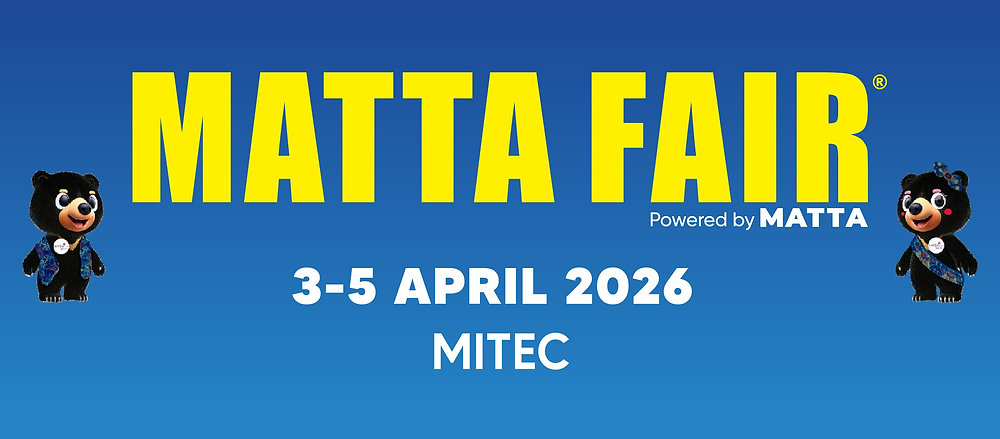
MATTA Fair 2026 is set to continue its reputation as Malaysia’s largest consumer travel exhibition, organised by the Malaysian Association of Tour and Travel Agents (MATTA). Typically held at major venues such as the Malaysia International Trade and Exhibition Centre (MITEC) in Kuala Lumpur, the event brings together hundreds of travel agencies, airlines, hotels, and tourism organisations under one roof to offer a wide range of domestic and international travel packages. From the perspective of a participating travel agent, MATTA Fair 2026 represents both an opportunity and a challenge. It is a highly competitive marketplace where agencies can directly engage with thousands of potential customers, showcase curated travel packages, and secure on-the-spot sales. At the same time, agents must differentiate themselves through attractive promotions, creative booth presentations, and personalised customer service to stand out among hundreds of exhibitors. For many travel agents, the fair is not just a sales platform but also a strategic moment to build brand visibility, form industry partnerships, and stay aligned with emerging travel trends such as sustainable tourism and experiential travel. Most importantly, the event gives us as travel agents key insight into the behavioural patterns of our respective target markets, and the factors influencing the way in which travellers shop for their next travel package.
Here are 7 key factors that we’ve decoded on how travellers choose their dream holidays.
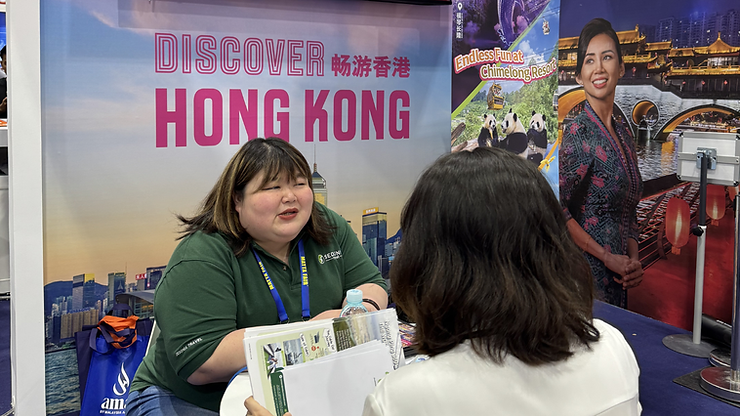
From behind the counter at the MATTA Fair, you start to notice patterns almost immediately. The crowds are diverse, with young couples, families with restless children, retirees walking slowly from booth to booth, yet their decision-making behaviours often follow familiar rhythms.
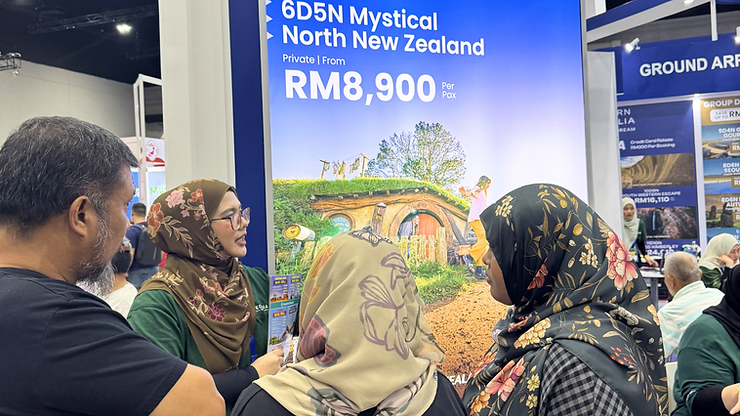
One of the most obvious factors is price sensitivity. Many travellers arrive with a rough budget already in mind, and you can see how quickly their interest rises or falls when they hear a promotional rate. Early-bird deals, limited-time discounts, and “fair-only” prices create a sense of urgency. Even travellers who initially browse casually tend to pause longer when they see bold signage promising savings. For families especially, bundled packages that clearly show value such as flights, hotels, meals, and tours included are far more attractive than piecemeal options.
Closely tied to price is the perceived value of inclusions. Travellers don’t just look at the total cost; they mentally calculate what they’re getting for their monetary value. A package that includes airport transfers, guided tours, or popular attractions often wins over a cheaper one that feels “bare.” You’ll hear questions like, “Is this entrance ticket included?” or “Do we get free days to explore?” The more transparent and comprehensive the package, the easier it is for them to commit.
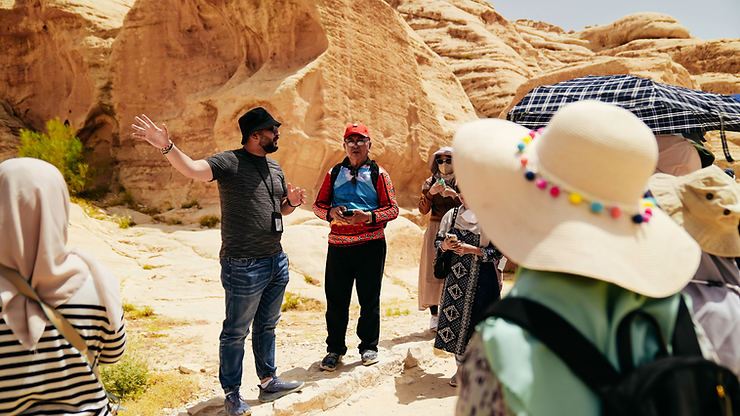
Another strong influence is destination familiarity versus novelty. First-time travellers tend to gravitate toward well-known, “safe” destinations or places they’ve seen on social media or heard about from friends. Meanwhile, repeat travellers often look for something different, but even then, they want reassurance that a great experience is almost guaranteed. When we share personal experiences or testimonials, it reduces their hesitation. Storytelling becomes a powerful sales tool.
Social proof plays a yet surprisingly big role. Travellers often come in groups, and decisions are rarely made individually. You’ll see one person leading the conversation, but they constantly turn to companions for validation. A simple nod or hesitation from a spouse or friend can make or break a sale. Similarly, when a booth is crowded, it naturally attracts more interest as people assume those deals must be worthwhile.
Then there’s the impact of timing and convenience. Many visitors come specifically to lock in dates that align with school holidays, public holidays, or fixed leaves. Packages that clearly match these windows without complicated connections or tight transit times tend to close faster. Travellers also prefer straightforward itineraries; too many moving parts can create doubt, especially for those who want a stress-free experience.
We also notice the growing importance of flexibility and security. Since recent global uncertainties, travellers ask more about cancellation policies, travel insurance, and refund options. A package that offers flexible changes or clear guarantees often edges out competitors, even if it’s slightly more expensive.
Lastly, emotional appeal shouldn’t be underestimated. Sometimes, a decision comes down to how a destination makes someone feel in that very moment. A well-placed photo of cherry blossoms, a snowy landscape, or a pristine beach can spark an immediate emotional connection. When that happens, the conversation shifts from “Should we go?” to “When can we go?”
From a travel agent’s perspective, MATTA Fair isn’t just about selling packages – it’s about reading people. Behind every purchase is a mix of logic, emotion, and subtle influence, all unfolding in real time across the exhibition floor.

Originally published on The Malaysian Traveller Wix site. Source archive: https://www.themalaysiantraveller.com/post/inside-the-matta-fair-decoding-how-travellers-choose-their-dream-holidays.